LEARN ALL ABOUT THE TOP BRAZILIAN FOOTBALL STADIUMS, BOTH RECENT AND RENOVATED AND HISTORIC VENUES
PELÉ, RONALDO, RONALDINHO GAÚCHO, KAKÁ, RIVALDO, ROMÁRIO, ZICO, NEYMAR , GARRINCHA, CARLOS ABERTO TORRES AND MORE
CLARENCE SEEDORF, LUIZ SUAREZ, CARLOS TÉVEZ, MEMPHIS DEPAY, DIMITRI PAYET, KEISUKE HONDA, SALOMON KALOU AND MORE
BRAZILIAN FOOTBALL CLUBS ARE INCREASINGLY INTEGRATING ESG CRITERIA INTO THEIR OPERATIONS. SEE HOW:
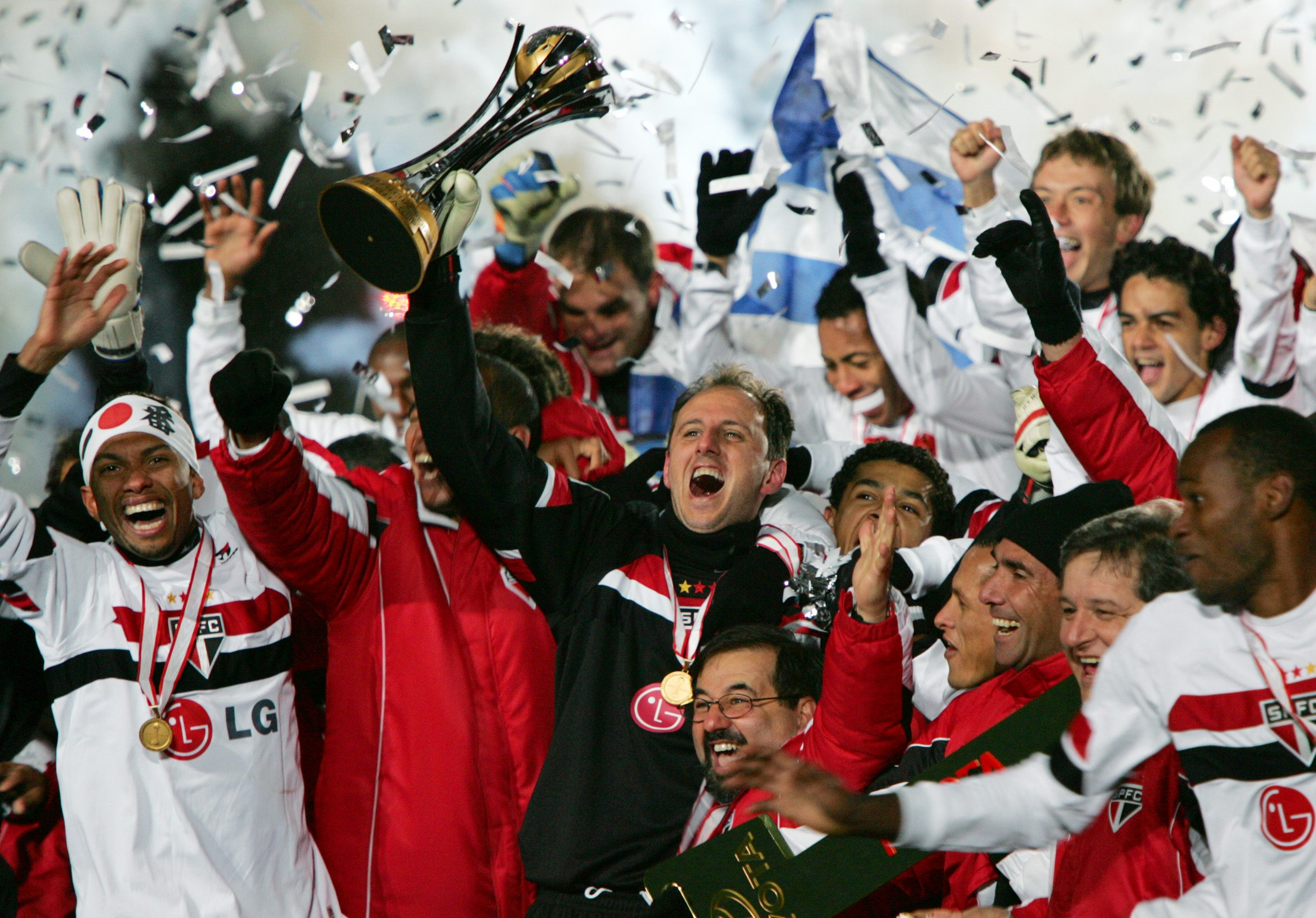
By Jonas Souza São Paulo Futebol Clube is one of the most successful and respected sports institutions in Brazil and South America. Founded on January 25, 1930, the Tricolor Pauli

Founded in 1942 in the city of Rio de Janeiro through the merger of Botafogo Football Club and Clube de Regatas Botafogo, one of the most traditional clubs in Brazilian football wa
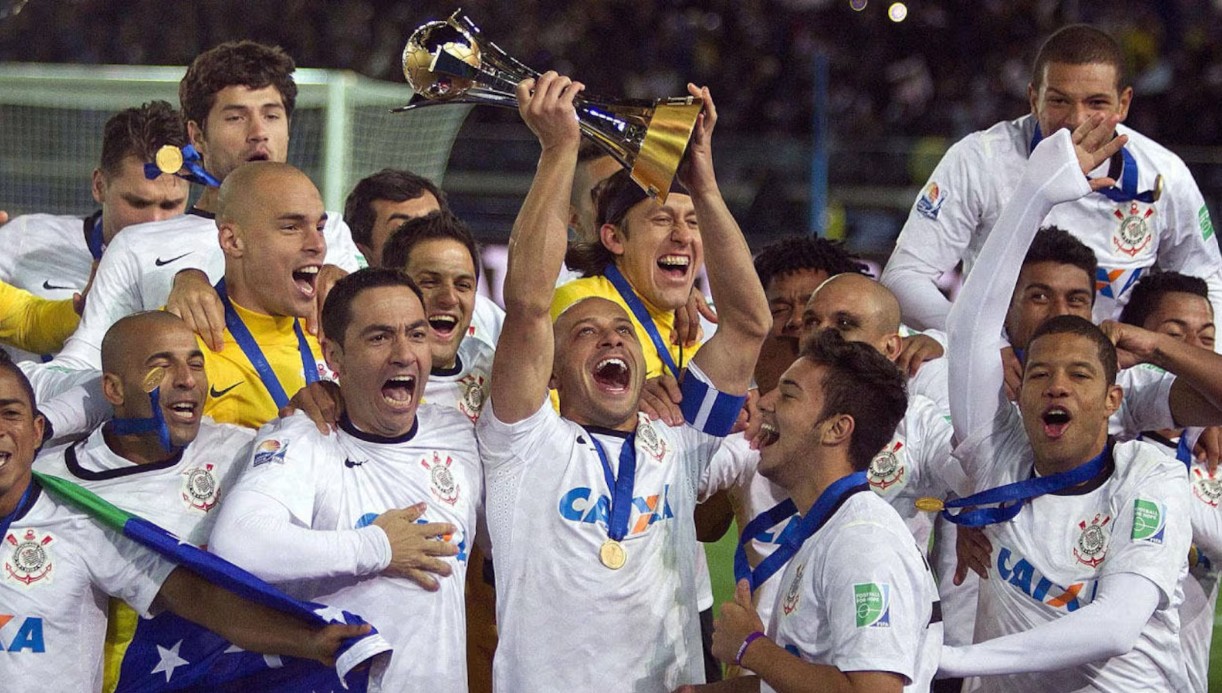
Sport Club Corinthians Paulista is far more than a football club. In Brazil, the black-and-white giants from São Paulo are widely seen as a social and cultural phenomenon, inspiri
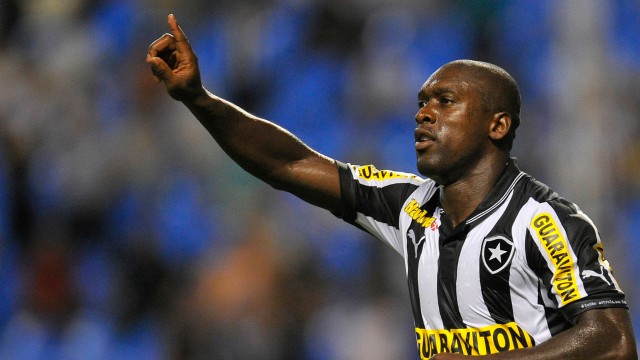
Clarence Seedorf represents one of the most fascinating chapters in world football. His journey playing in Brazil's Botafogo solidified a career defined by technical excellence and

The ESG agenda refers to the adoption of responsible practices related to environmental issues, social impact and corporate governance.
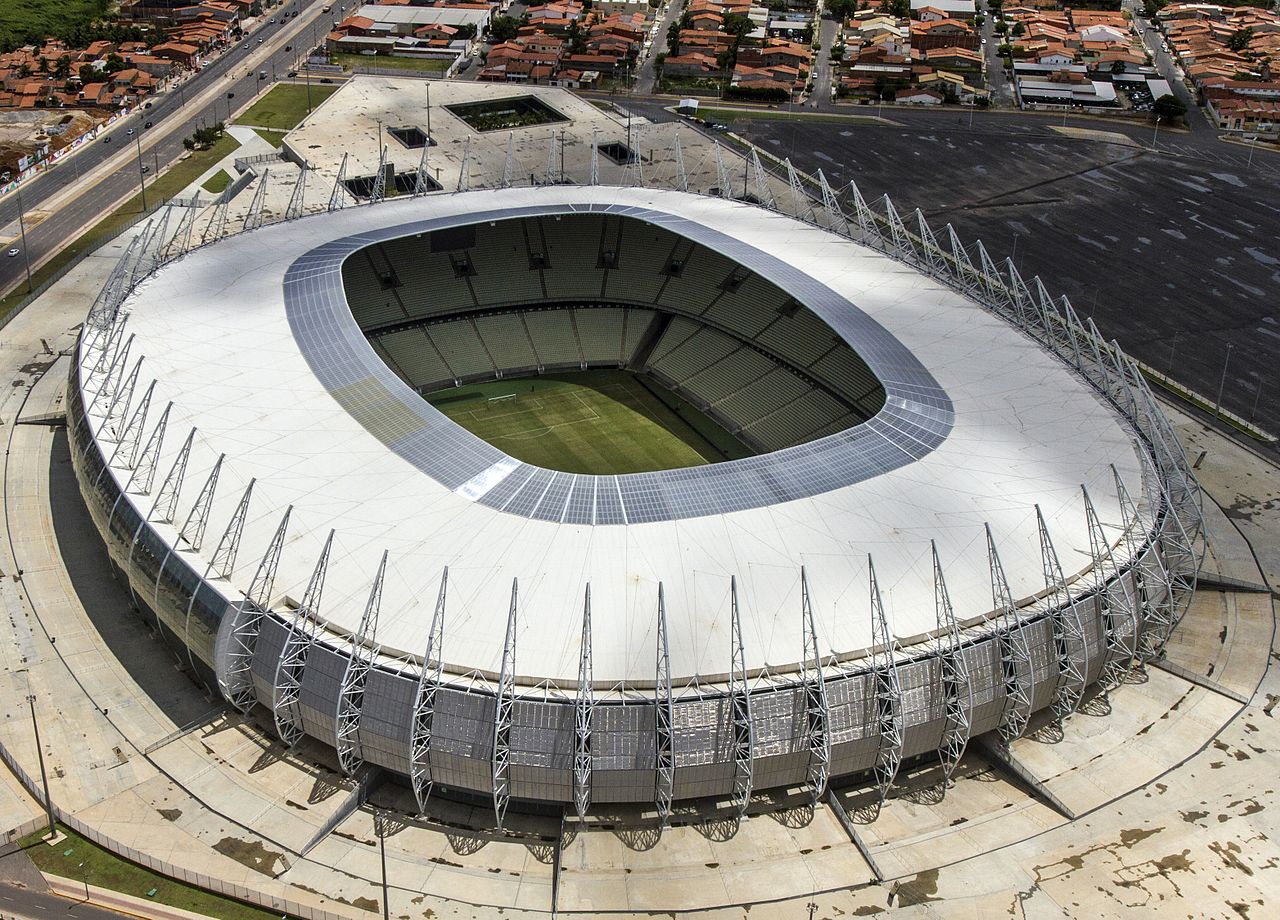
The Estádio Governador Plácido Aderaldo Castelo—better known as Arena Castelão—is one of Brazil’s leading football stadiums. Located in Fortaleza, in the North East state
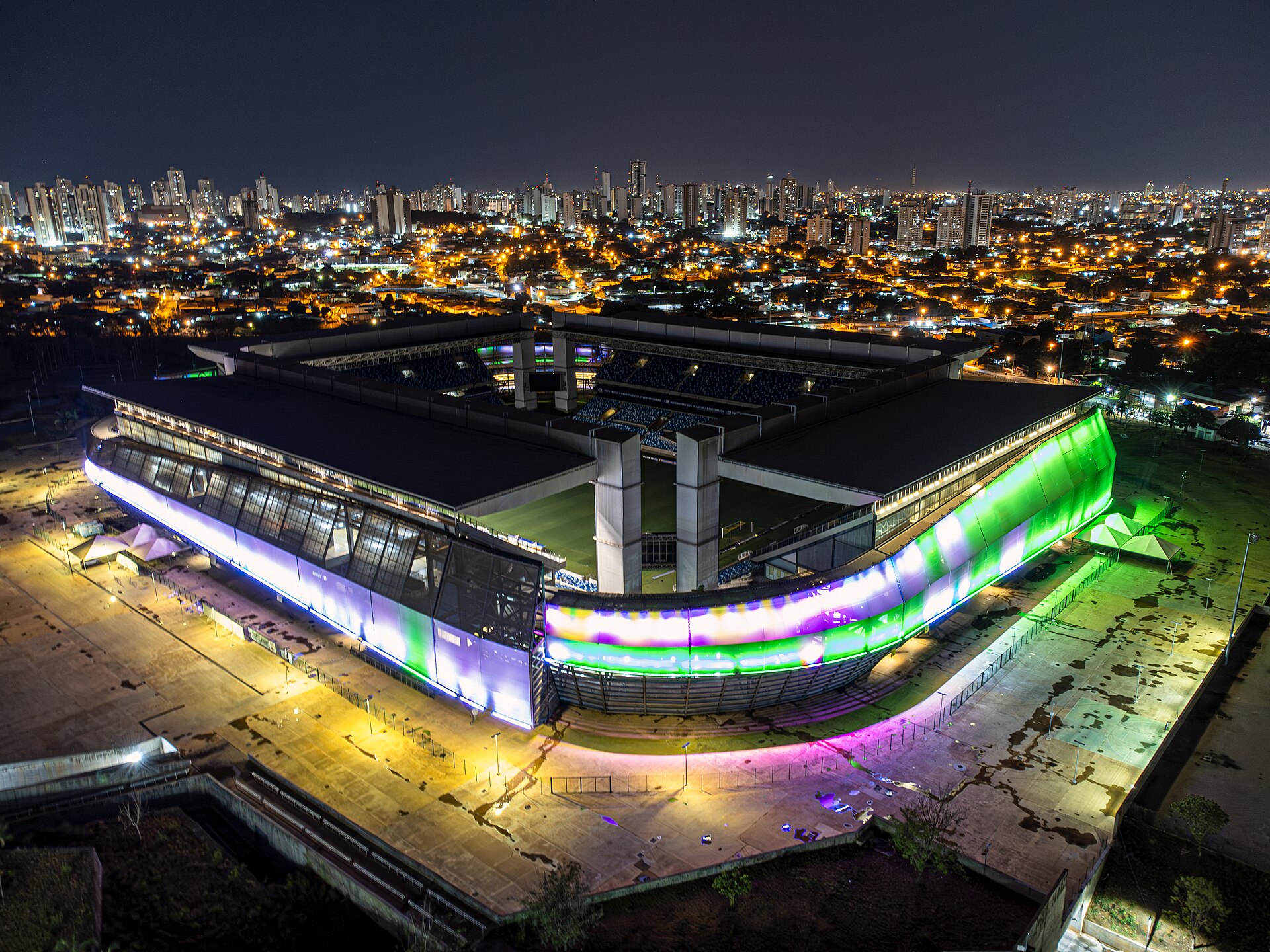
Arena Pantanal is one of the stadiums built to host matches during the 2014 FIFA World Cup in Brazil. It is located in Cuiabá, the capital of the state of Mato Grosso, in the coun
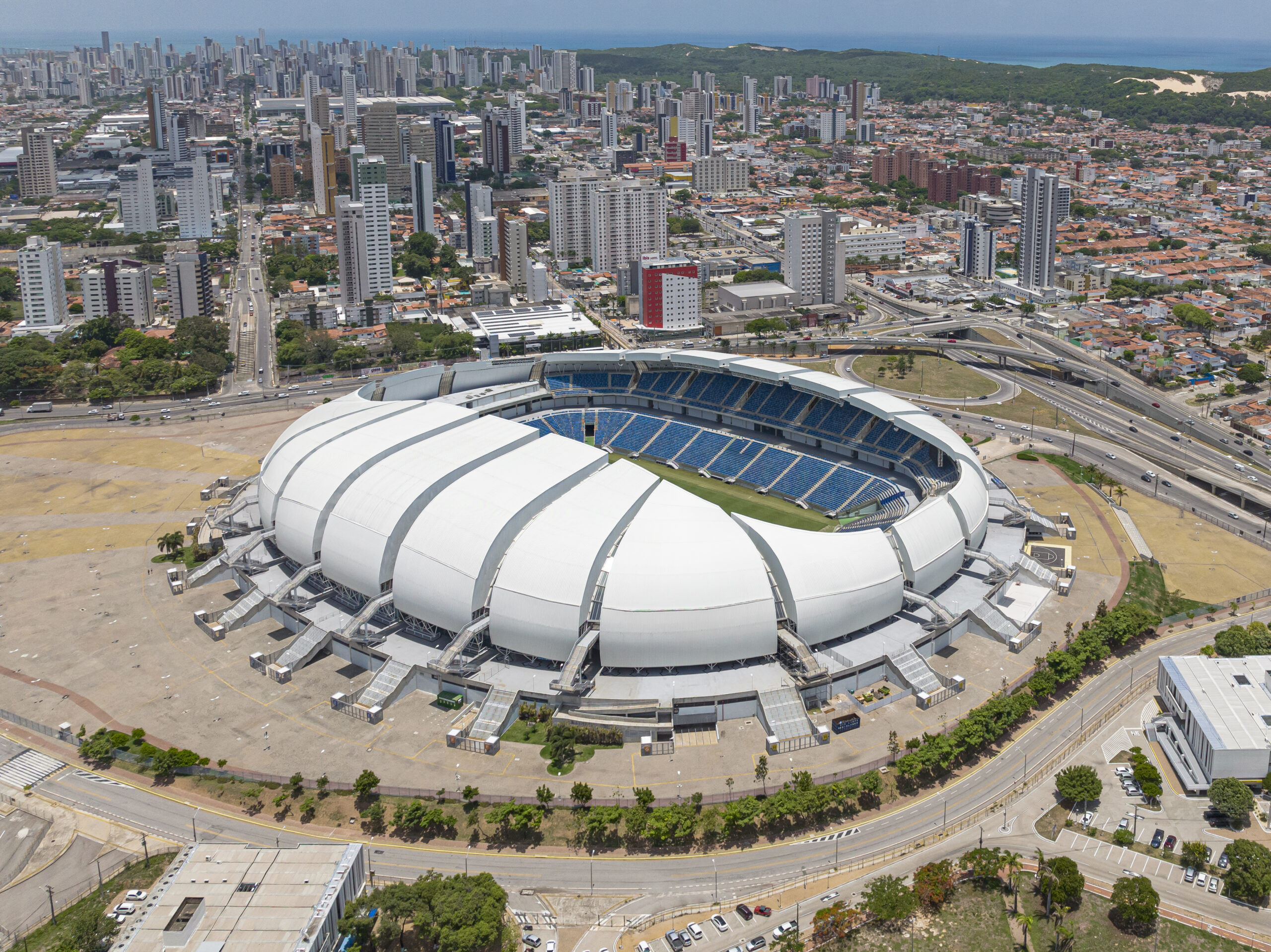
By Renne Domingos Arena das Dunas was one of the stadiums designed to host matches of the 2014 FIFA World Cup in Brazil, located in the state of Rio Grande do Norte. Construction l
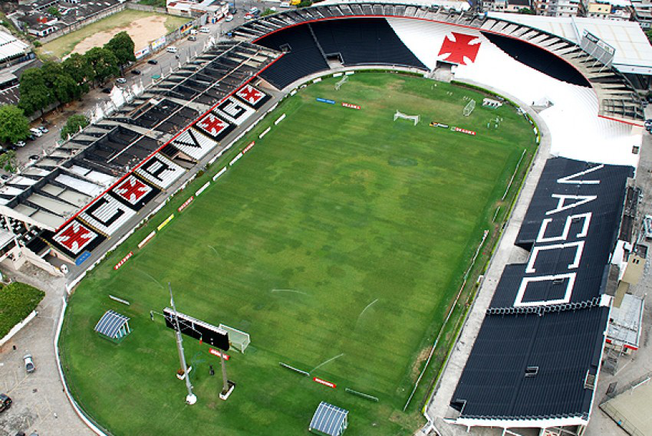
By Lyncon Pradella The construction of São Januário represented a historic achievement for Vasco and for Brazilian sport (Photo: Vasco) São Januário Stadium, home of Rio de Jan
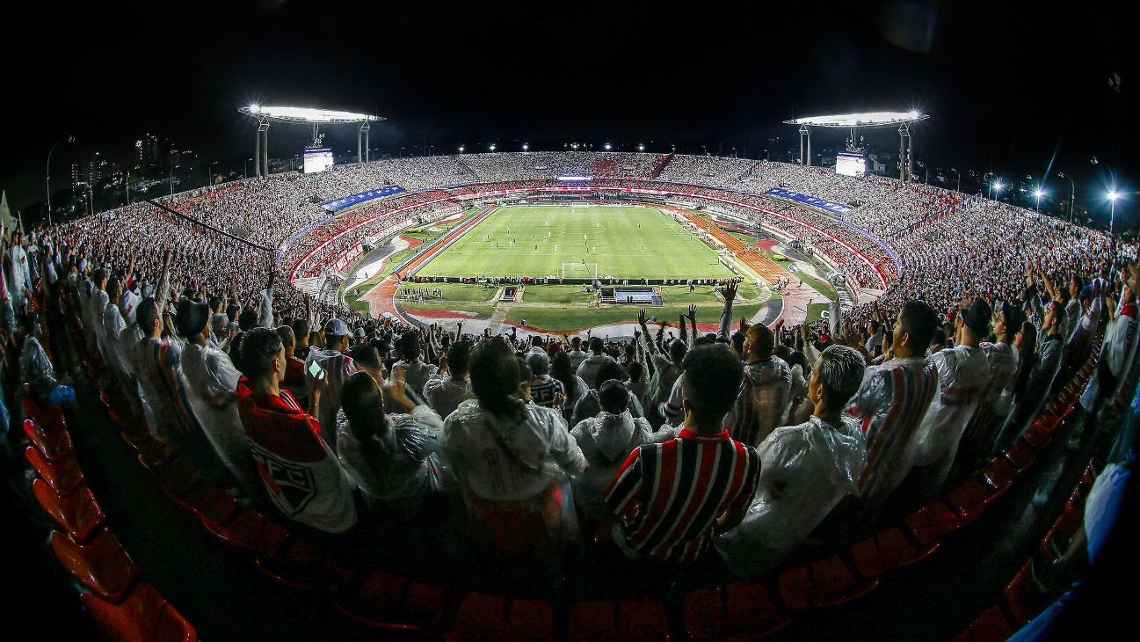
By Jonas Souza The Cícero Pompeu de Toledo Stadium, better known as Morumbi, is one of the largest and most iconic stadiums in Brazil. Located in the southern zone of São Paulo,